「Asakusa Underground Shopping Street」の版間の差分
(→Exit 8) |
|||
| (同じ利用者による、間の13版が非表示) | |||
| 2行目: | 2行目: | ||
[[ファイル:Asakusa ug20260525.png|620px|alt=Asakusa Underground Street Map|Asakusa Underground Street Map]] | [[ファイル:Asakusa ug20260525.png|620px|alt=Asakusa Underground Street Map|Asakusa Underground Street Map]] | ||
[[ファイル:Asakusa.png|620px|alt=Asakusa Underground Shopping Street Area Map|Asakusa Underground Shopping Street Area Map]] | |||
1-1-12 Asakusa, [[wikipedia:Taitō|Taitō]] Ward, Tokyo, Japan | |||
The Asakusa Underground Street is a must-visit retro wonderland—intriguing, nostalgic, and incredibly photogenic. Construction began beneath Umamichi Street in February 1954, and when it opened on 28 January 1955, it served as a clever subterranean shortcut connecting the [[wikipedia:Tokyo Metro|Tokyo Metro]] [[wikipedia:Ginza Line|Ginza Line]]'s [[wikipedia:Asakusa Station|Asakusa Station]] to [[wikipedia: Sensō-ji|Sensō-ji]] Temple via Shin- | The Asakusa Underground Street is a must-visit retro wonderland—intriguing, nostalgic, and incredibly photogenic. Construction began beneath Umamichi Street in February 1954, and when it opened on 28 January 1955, it served as a clever subterranean shortcut connecting the [[wikipedia:Tokyo Metro|Tokyo Metro]] [[wikipedia:Ginza Line|Ginza Line]]'s [[wikipedia:Asakusa Station|Asakusa Station]] to [[wikipedia: Sensō-ji|Sensō-ji]] Temple via Shin-Nakamise (Shinnaka) Arcade. | ||
Laid out with 4-meter-wide walkways, it | Laid out with 4-meter-wide walkways, it is hosting around 20 shops nestled into compact 4x4-meter plots. | ||
The passages feel cozy, filled with the smoky aroma of sizzling yakisoba, where you’ll need to watch out for dripping pipes and low ceilings. | The passages feel cozy, filled with the smoky aroma of sizzling yakisoba, where you’ll need to watch out for dripping pipes and low ceilings. | ||
It’s not a crafted theme park attraction. Historically, Japan's very first underground shopping street was the Kanda Sudamachi Subway Store, opening in 1929. Later, during the post-war era, the Ginza Miharabashi Underground Street was completed almost simultaneously with the one in Asakusa. However, because the Kanda and Ginza locations have since closed due to earthquake safety concerns, Asakusa stands alone today as Japan’s oldest surviving underground shopping street. | It’s not a crafted theme park attraction. Historically, Japan's very first underground shopping street was the Kanda Sudamachi Subway Store, opening in 1929. Later, during the post-war era, the Ginza Miharabashi Underground Street was completed almost simultaneously with the one in Asakusa. However, because the Kanda and Ginza locations have since closed due to earthquake safety concerns, Asakusa stands alone today as Japan’s oldest surviving underground shopping street. | ||
Both Exits 8 and 6 are absurdly narrow and inconvenient. Yet, despite being positioned right at the bustling crossroads of three major train lines—the Tokyo Metro Ginza Line, Tobu Skytree Line, and Toei Asakusa Line—this space still clings tightly to its Showa-retro vibe, existing even today like a world apart. | |||
<br clear="all"> | <br clear="all"> | ||
| 109行目: | 112行目: | ||
</gallery> | </gallery> | ||
=== Water | === Water Leakage and Restroom === | ||
<gallery> | <gallery> | ||
| 122行目: | 125行目: | ||
ファイル:StaircaseUpToExit6 0.JPG|Staircase up to Exit 6 | ファイル:StaircaseUpToExit6 0.JPG|Staircase up to Exit 6 | ||
ファイル:Exit6 0020.JPG|Barber Takata | ファイル:Exit6 0020.JPG|Barber Takata | ||
ファイル:Exit6toShinnakadoriStreet.jpg|Barber Takata, and Exit 6 to | ファイル:Exit6toShinnakadoriStreet.jpg|Barber Takata, and Exit 6 to Shinnamise Arcade | ||
</gallery> | </gallery> | ||
<gallery widths=300 heights=200> | <gallery widths=300 heights=200> | ||
ファイル:Exit6 0385.JPG|Exit 6 at Shin- | ファイル:Exit6 0385.JPG|Exit 6 at Shin-Nakamise Street | ||
ファイル:Exit6 86.JPG|Exit 6 at Shin- | ファイル:Exit6 86.JPG|Exit 6 at Shin-Nakamise Street | ||
</gallery> | </gallery> | ||
2026年7月5日 (日) 10:24時点における最新版
Map


1-1-12 Asakusa, Taitō Ward, Tokyo, Japan
The Asakusa Underground Street is a must-visit retro wonderland—intriguing, nostalgic, and incredibly photogenic. Construction began beneath Umamichi Street in February 1954, and when it opened on 28 January 1955, it served as a clever subterranean shortcut connecting the Tokyo Metro Ginza Line's Asakusa Station to Sensō-ji Temple via Shin-Nakamise (Shinnaka) Arcade.
Laid out with 4-meter-wide walkways, it is hosting around 20 shops nestled into compact 4x4-meter plots.
The passages feel cozy, filled with the smoky aroma of sizzling yakisoba, where you’ll need to watch out for dripping pipes and low ceilings.
It’s not a crafted theme park attraction. Historically, Japan's very first underground shopping street was the Kanda Sudamachi Subway Store, opening in 1929. Later, during the post-war era, the Ginza Miharabashi Underground Street was completed almost simultaneously with the one in Asakusa. However, because the Kanda and Ginza locations have since closed due to earthquake safety concerns, Asakusa stands alone today as Japan’s oldest surviving underground shopping street.
Both Exits 8 and 6 are absurdly narrow and inconvenient. Yet, despite being positioned right at the bustling crossroads of three major train lines—the Tokyo Metro Ginza Line, Tobu Skytree Line, and Toei Asakusa Line—this space still clings tightly to its Showa-retro vibe, existing even today like a world apart.
Shops
- Barber Takata 高田理容室
- Kebab Factory ケバブファクトリー
- Drive In Den-Den ドライブイン電電 / instagram
- Mookata Thai Restaurant / instagram / twitter ムーガタ浅草
- Cafe de Mama 3 カフェ・ド・ママ 3
- nine seas bar
- Torijin 鳥じん
- Van Gogh Vodka
- Van Gogh Vodka Wine
- Shamrock bar
- SIAM TIME タイ王国情報案内書
- Fukuchan Yakisoba 福ちゃん 焼きそば
- J-Price Jプライス 中古DVDなど
- Barber Cut Seven カットセブン 800円の床屋
- Nikunoiro (Color of Meat) Ramen ニクノイロ ラーメン屋 / twitter
- Donzoko どん底 bar
- ginnova bar
- Print Center PRセンター 名刺印刷
- Crazy Yakisoba New Koedo 浅草 天才焼きそば ニュー小江戸 / instagram / Youtube
- Ninja Bar 忍者場 / youtube / twitter / instagram
- Liquor Museum お酒の美術館
- Monju Soba/Udon Noodle Stand 文殊 立ち食い蕎麦
- Metro Stamp Ticket Shop 金券屋 メトロスタンプ
Photos (generally aligned from Exit 8 to Exit 6)
Exit 8
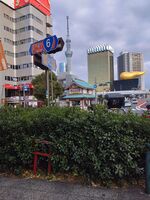
In front of the famous Kamiya Bar, at 1-1-1 Asakusa, Exit 8 is located on the five-way intersection of Edo, Kaminarimon, and Umamachi Streets.
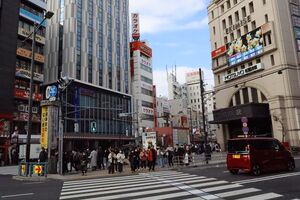
Exit 8, at the crossing point of Kaminarimon and Umamachi Streets, in front of Matsuya Department Store.


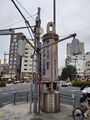
Exit 8
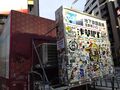
Exit 8
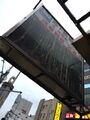
Exit 8
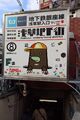
Exit 8
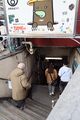
Exit 8
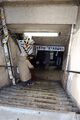
Exit 8
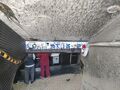
Exit 8
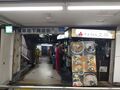
Monju Soba/Udon Noodle Stand
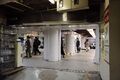
to Tokyo Metro Concourse


Fukuchan
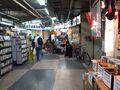
Fukuchan
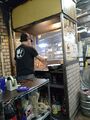
Fukuchan
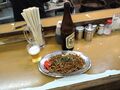
Fukuchan
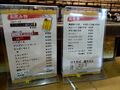
Fukuchan Alcohol and Food
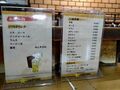
Fukuchan Soft drinks and a la Carte


Shops
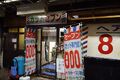
Barber Cut 7
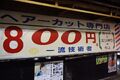
Barber Cut 7
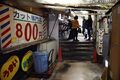
Barber Cut 7 and Monju
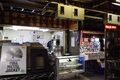
Ticket shop
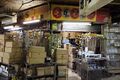
Used DVD shop
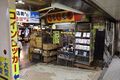
Used DVD shop
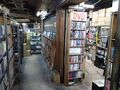
Used DVD shop
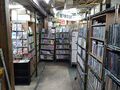
Used DVD shop
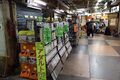
Used DVD shop
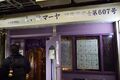
Fortune Teller Maya (closed)
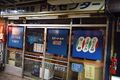
Business card print shop


Bars and Restaurants
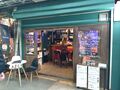
Van Gogh Vodka
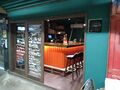
VanGogh Vodka
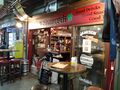
Shamrock
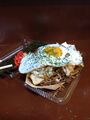
Crazy Yakisoba
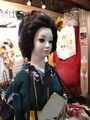
Asakusa Chikako
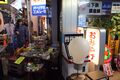
Drive-In Denden
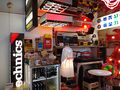
Drive-In Denden
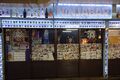
Ninja Bar
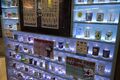
Ninja Bar
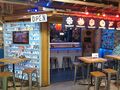
Ninja Bar


Water Leakage and Restroom
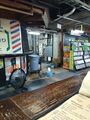
Water Leak
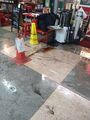
Water Leak
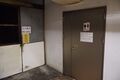
Ask a facility staff to unlock the restroom


Exit 6
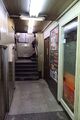
Staircase up to Exit 6
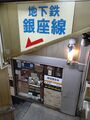
Barber Takata
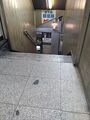
Barber Takata, and Exit 6 to Shinnamise Arcade


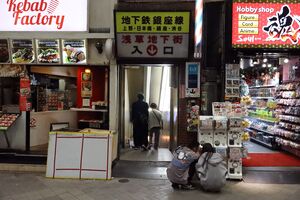
Exit 6 at Shin-Nakamise Street
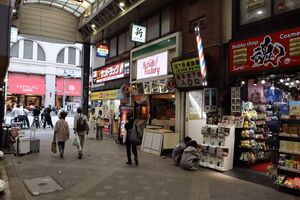
Exit 6 at Shin-Nakamise Street